Start with the questions that change how the subject looks.
01
Packet switching changes the map
Breaking information into packets allowed shared networks to route around congestion and failure.
02
The four-node beginning
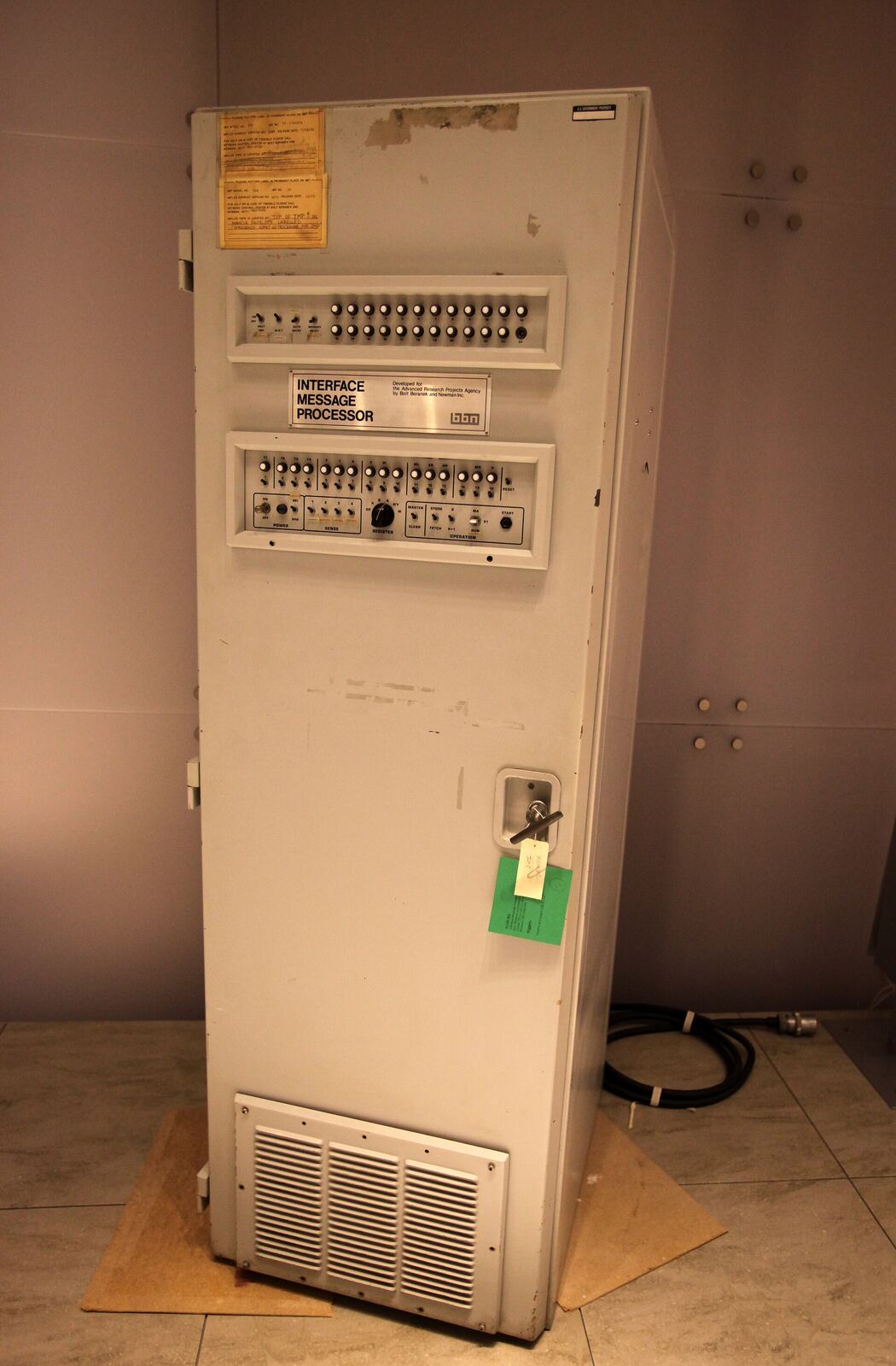
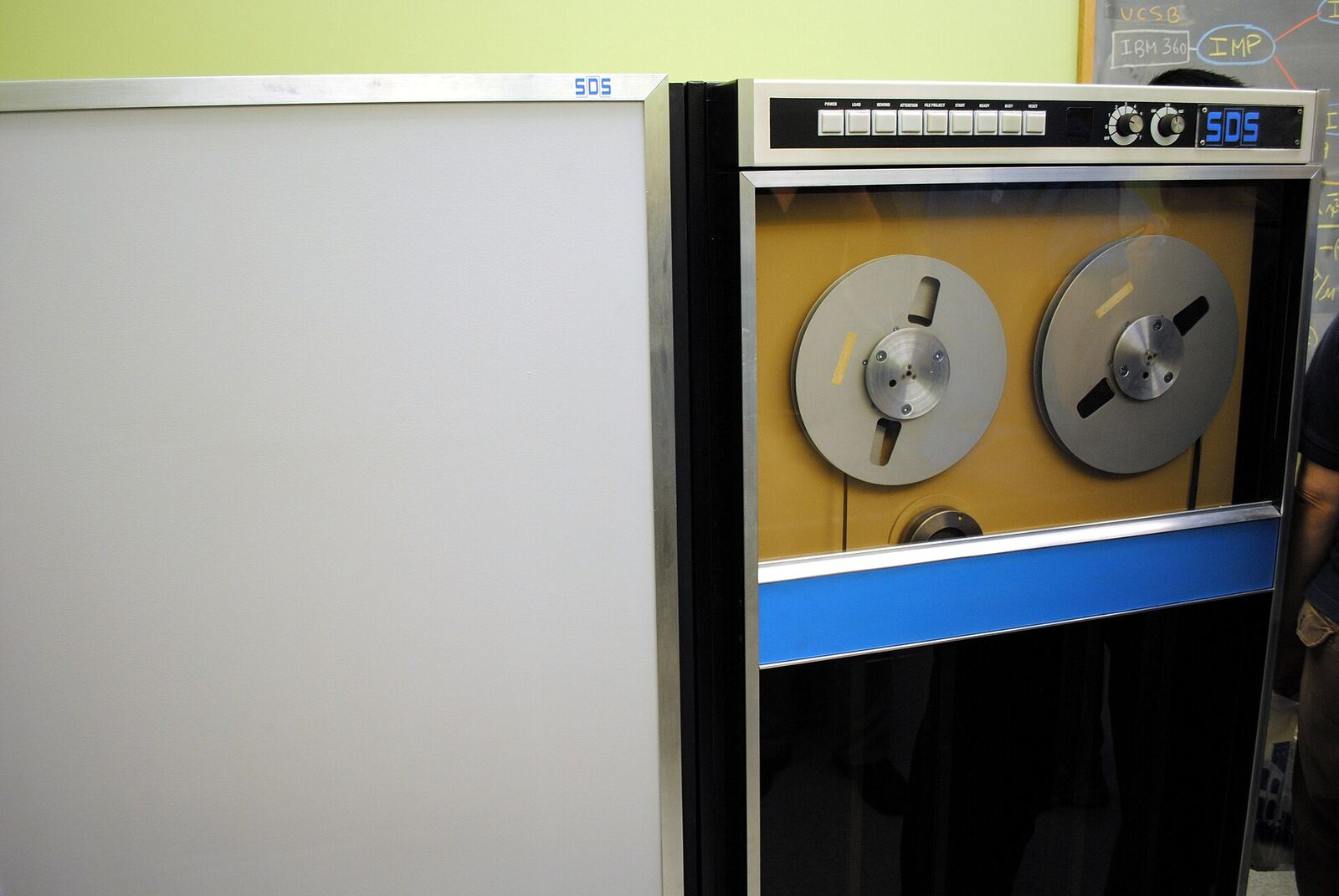
ARPANET connected UCLA, SRI, UC Santa Barbara and Utah in 1969.
03
A protocol for many networks
TCP/IP allowed unlike networks to interconnect without surrendering their internal design.
04
Names for a growing network
DNS turned a central list into a distributed naming system capable of global scale.
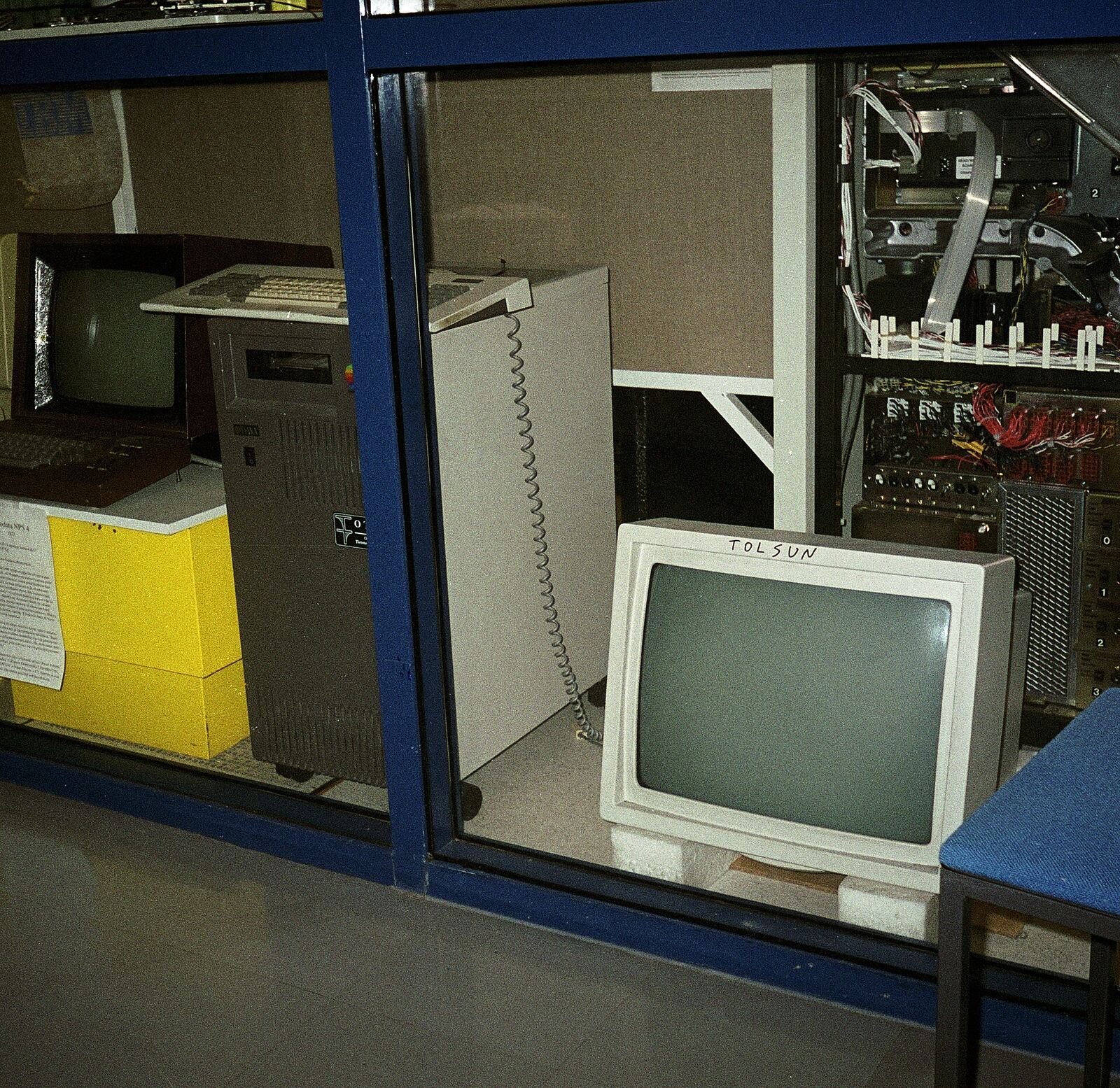
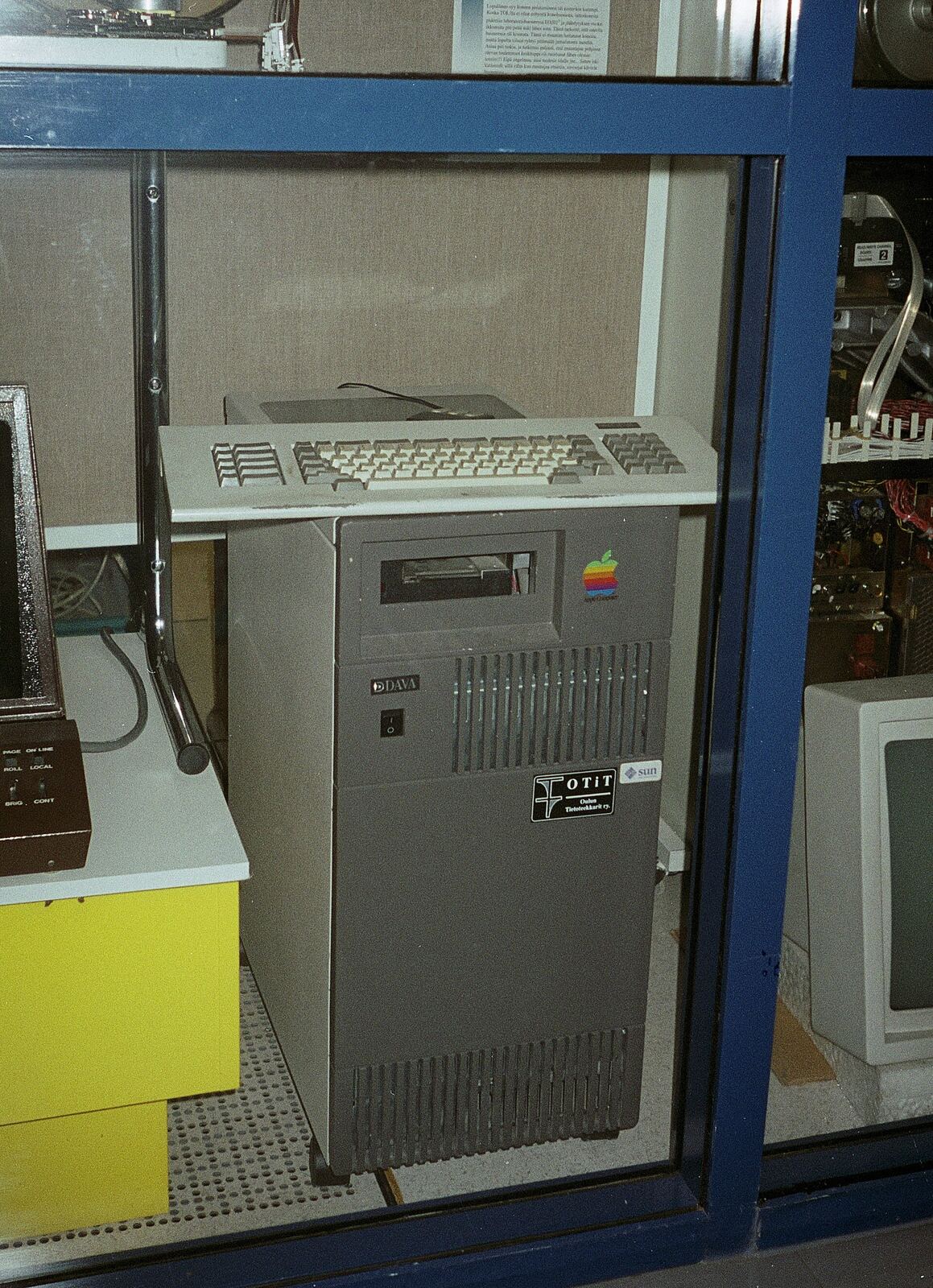
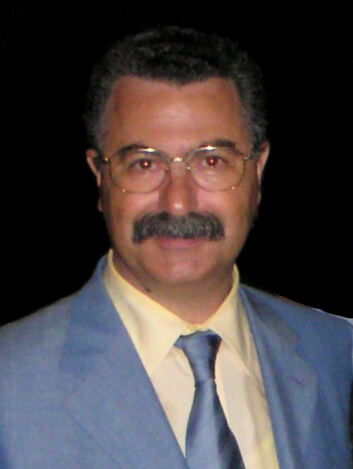
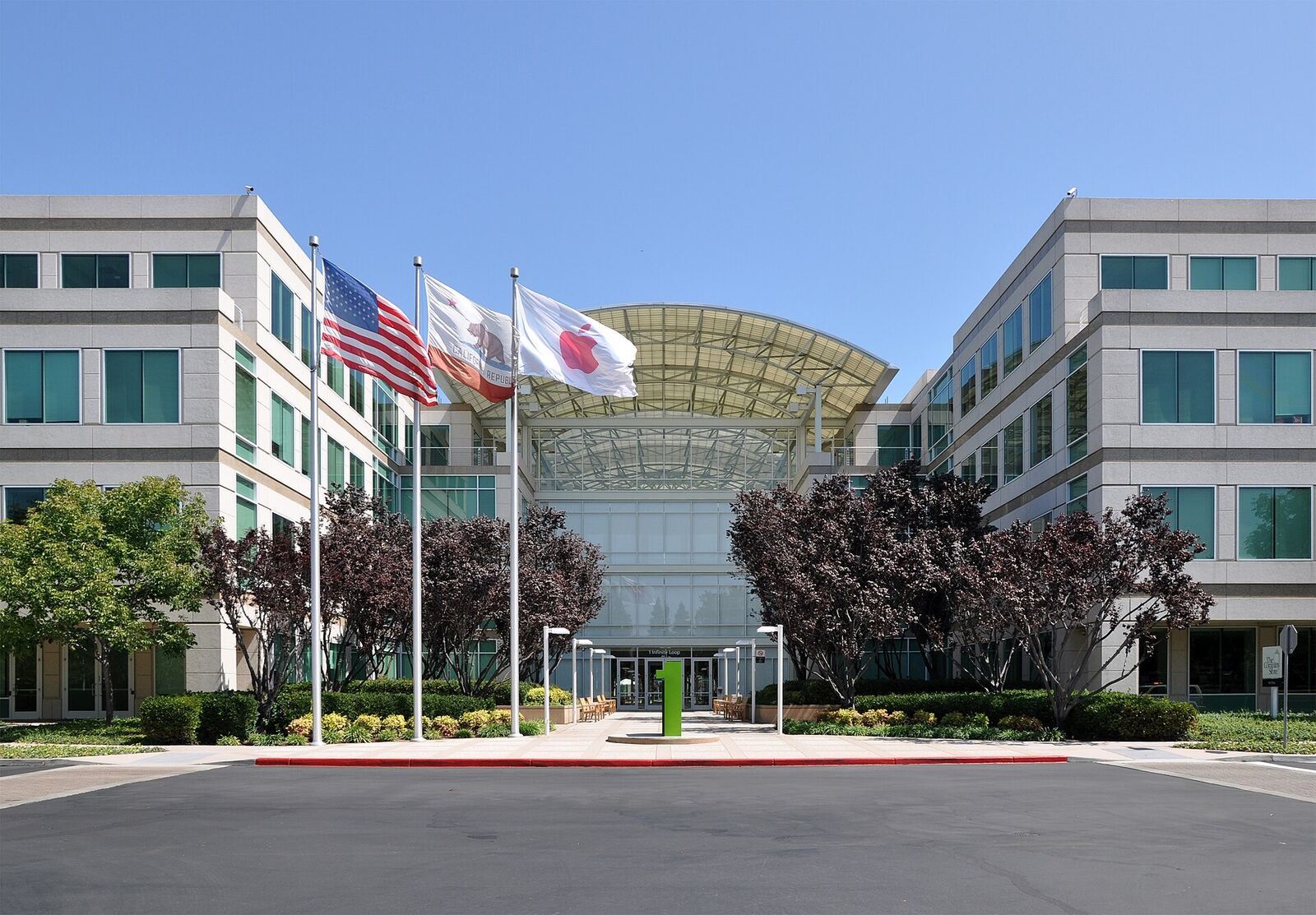
View the complete journal →The first IRC server, tolsun.oulu.fi . A Sun-3 server. Photograph of the server on display near the University of Oulu computer centre in 2001. The machine itself is the gray box in the middle of the picture, behind the bar. Monitor is on the floor, labelled appropriately.The first IRC server , tolsun.oulu.fi . Photograph of the Sun-3 server on display near the University of Oulu computer centre.Farouk KamounApple 's headquarters at Infinite Loop in Cupertino, California, USA.For the APRANET in 1969, the BBN Interface Message Processor (IMP) did the packet routing. (It's another cool artifact of history in the back room, awaiting installation in the new Computer History Museum exhibition hall.) The Honeywell 516 minicomputer inside had only 6,000 words of software (in 12K of core memory) and monitored network status and statistics. Cost: $82,200 The first transmission between UCLA and SRI took place on October 29, 1969. Larry Roberts, architect of the Internet, diagrammed some of that rich history at our CEO Summit.This is the very first computer to ever be connected to the Internet. Of course, back in 1969 it wasn't called the Internet, but the ARPANET, and really there was no ARPANET to connect to - this computer and its accompanying Interface Message Processor formed the first node on the ARPANET, and the connection from UCLA to the Stanford Research Institute (SRI) was the first backbone link on the ARPANET. This computer sent, with the aid of the IMP (which is essentially a router), the very first message ever sent on the Internet , which promptly crashed the computer on SRI's end. I took this photo at the grand re-opening of the original Boelter 3420 lab at UCLA, the birthplace of the Internet, as the Kleinrock Internet Heritage Site and Archive, which will soon open to the public. If you'd like to learn more about the museum, click here ..
Editorial approach
Context before certainty.
Every entry identifies what is known, what is interpretation and where evidence remains incomplete. Complex experiences are not compressed into slogans for easy sharing.
The visual archive is locally preserved and credited. Images support the subject rather than treating people, belief or pain as decoration.